
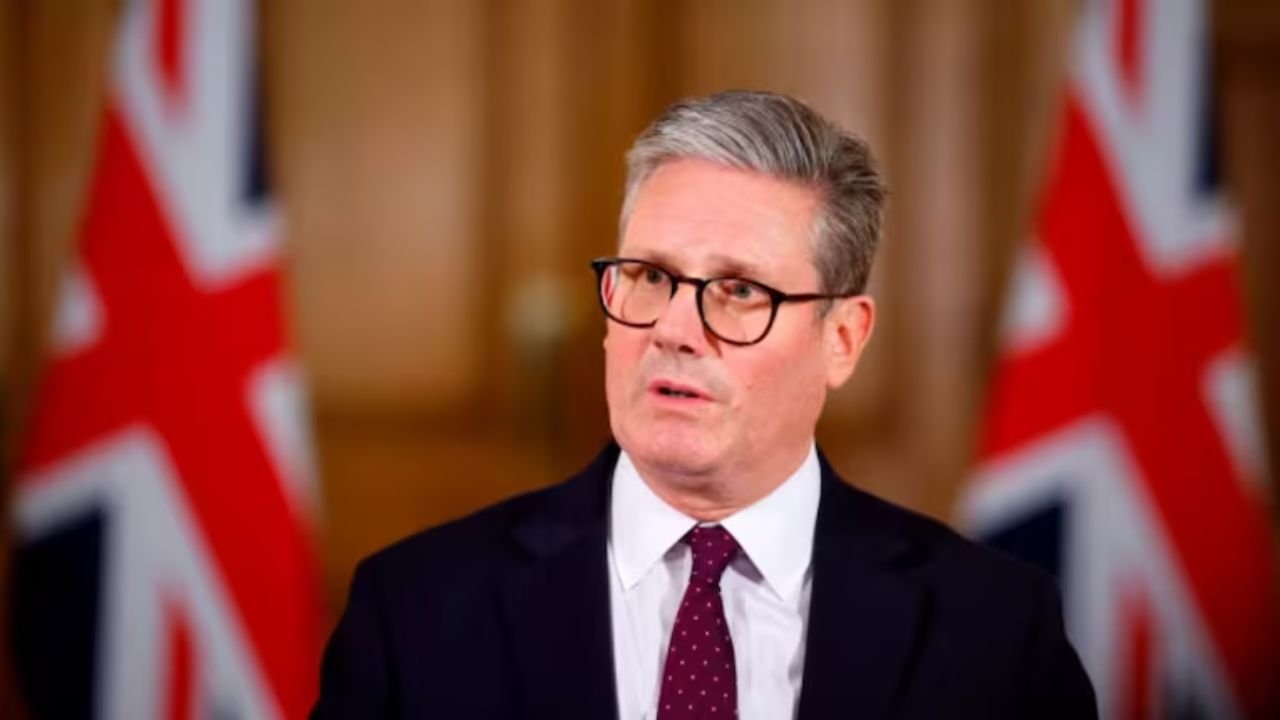
The debate around migration policy in the United Kingdom has once again taken centre stage, as Prime Minister Keir Starmer faces increasing pressure from within his own party. Recent proposals aimed at reforming migration rules have sparked concern among Members of Parliament (MPs), leading to intense discussions and calls for adjustments.
Understanding the Proposed Migration Reforms
What Are the New Migration Rules?
The UK government had initially proposed a series of reforms designed to reshape the country’s migration system. These reforms were intended to address public concerns about immigration levels, while also ensuring that businesses have access to skilled workers.
Some of the major elements of the proposed migration reforms include:
- Tighter visa requirements for certain job categories
- Increased salary thresholds for foreign workers
- Stricter rules for family reunification
- Greater enforcement measures to reduce illegal migration
These measures were presented as part of a broader strategy to reduce net migration and bring more control to the system.
Why Were These Changes Introduced?
The government argued that rising migration numbers have placed pressure on housing, healthcare, and public services. At the same time, there has been growing political demand to reduce immigration levels.
However, the UK economy still depends heavily on foreign workers in sectors such as healthcare, construction, and hospitality. This creates a complex situation where reducing migration too much could lead to labour shortages.
Rising Backlash from MPs
Concerns Within the Party
Several MPs, including those from Starmer’s own party, have expressed concerns about the potential impact of these migration reforms. Critics argue that the proposed changes could harm economic growth and damage the UK’s reputation as an open and welcoming country.
Key concerns raised by MPs include:
- Risk of labour shortages in key industries
- Impact on families separated by stricter visa rules
- Negative effects on universities relying on international students
- Ethical concerns regarding asylum seekers
This internal disagreement has created pressure on Starmer to rethink parts of the policy.
Public and Political Reaction
The backlash is not limited to Parliament. Advocacy groups, businesses, and community organizations have also voiced their concerns. Many believe that overly strict migration policies could hurt the UK’s long-term economic prospects.
At the same time, some political groups and voters support tighter controls, arguing that migration levels need to be reduced to protect local jobs and services.
Key Areas of Potential Adjustment
What Changes Might Be Considered?
In response to the criticism, Starmer is reportedly exploring possible adjustments to the migration reforms. These changes aim to strike a balance between control and flexibility.
Some possible areas of revision include:
- Easing salary thresholds for essential workers
- Providing exemptions for sectors facing shortages
- Reviewing family visa restrictions
- Introducing more flexible rules for international students
These adjustments could help address concerns without completely abandoning the original goals of the reform.
Balancing Control and Economic Needs
One of the biggest challenges is ensuring that migration policies support the UK economy. Industries such as the NHS rely heavily on international staff, and stricter rules could worsen staffing shortages.
At the same time, the government must respond to public concerns about immigration levels. This makes policy decisions more complex and politically sensitive.
Migration Reform Impact Overview
Below is a simplified table explaining how different groups could be affected by the proposed migration reforms:
| Sector/Group | Potential Impact of Reforms | Possible Adjustments |
|---|---|---|
| Healthcare Workers | Staff shortages due to stricter visas | Exemptions or relaxed thresholds |
| Construction Industry | Delays due to labour shortages | Sector-specific visa flexibility |
| Students | Reduced international enrolment | Easier student visa rules |
| Families | Harder reunification processes | Review of family visa criteria |
| Businesses | Hiring challenges | Flexible immigration pathways |
This table shows how different sectors are directly affected and why adjustments may be necessary.
Political Implications for Starmer
Leadership Under Pressure
The current situation presents a significant test for Starmer’s leadership. Handling internal party disagreements while maintaining a clear policy direction is not easy.
If he chooses to adjust the reforms, it could be seen as a sign of responsiveness and flexibility. However, it could also be viewed as a compromise that weakens the government’s stance on immigration.
Impact on Future Elections
Migration policy is a key issue for voters in the UK. How Starmer handles this situation could influence public opinion ahead of future elections.
A balanced approach that addresses both economic needs and public concerns could strengthen his position. On the other hand, failure to manage the issue effectively could lead to political challenges.
Economic Considerations of Migration Policy Changes
The Role of Migration in the UK Economy
Migration plays a crucial role in supporting the UK economy. Many industries depend on skilled and unskilled workers from abroad.
Key sectors affected include:
- Healthcare (doctors, nurses, carers)
- Hospitality (hotels, restaurants)
- Agriculture (seasonal workers)
- Technology (skilled professionals)
Reducing migration without proper planning could lead to workforce shortages and economic slowdown.
Long-Term Economic Effects
While stricter migration policies may reduce short-term pressure on public services, they could also limit economic growth. Businesses may struggle to find workers, and innovation could slow down.
This is why many experts are calling for a more flexible approach that supports both economic and social needs.
Social and Humanitarian Aspects
Impact on Families and Communities
Migration policies are not just about economics—they also affect people’s lives. Stricter rules on family visas could separate families and create emotional and social challenges.
Communities across the UK are diverse, and migration plays a role in shaping that diversity. Policies need to consider these social impacts as well.
Asylum and Ethical Considerations
Another important aspect is the treatment of asylum seekers. Critics argue that stricter policies could make it harder for vulnerable individuals to seek protection.
Balancing border control with humanitarian responsibilities remains a key challenge for policymakers.
Future of UK Migration Policy
What Happens Next?
As discussions continue, it is likely that the government will introduce revised proposals that reflect feedback from MPs and stakeholders.
These updates may include:
- More targeted migration controls
- Sector-specific exemptions
- Improved pathways for skilled workers
- Adjustments to family and student visa rules
The final outcome will depend on ongoing negotiations and political considerations.
A More Flexible Approach?
There is growing recognition that a one-size-fits-all migration policy may not work. A more flexible system that adapts to economic needs could be the way forward.
Such an approach would allow the UK to remain competitive globally while addressing domestic concerns.